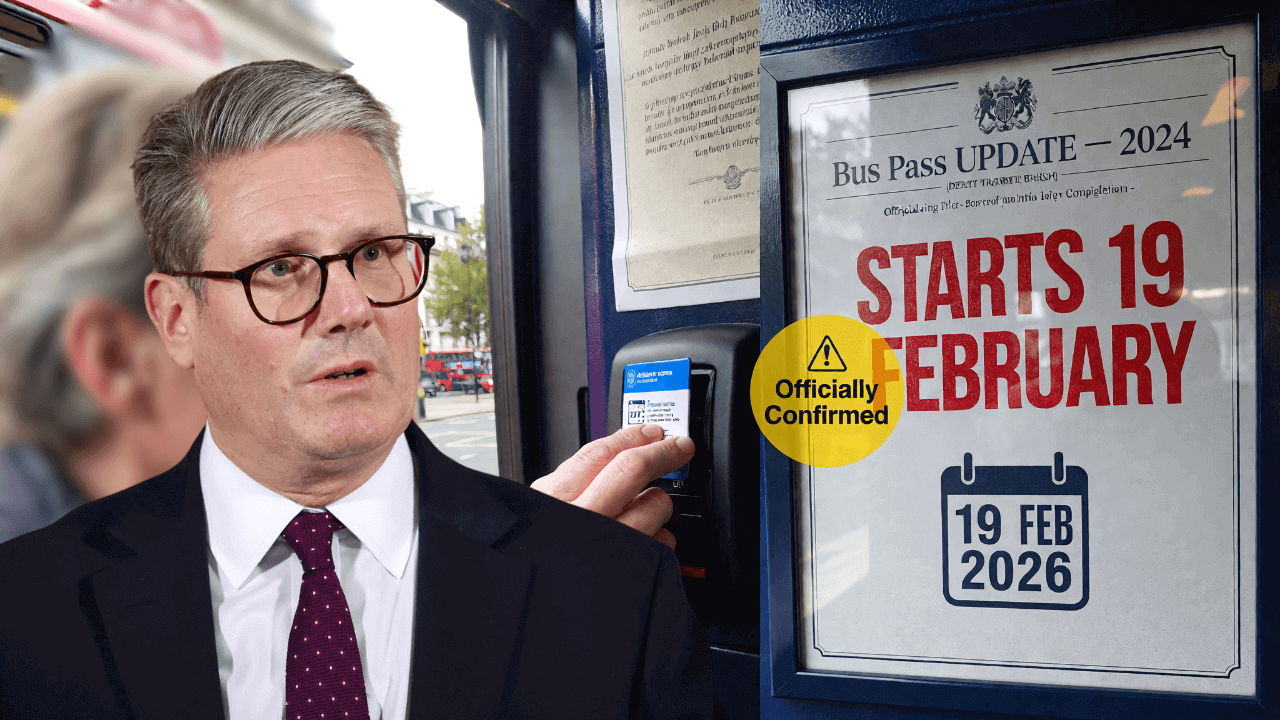
From 19 February 2026, updated rules affecting concessionary bus travel are coming into force across parts of the UK. For millions of older and disabled passengers, the bus pass is more than just a travel card — it represents independence, affordability and connection to the community.
Naturally, any announcement about rule changes causes concern. Are free journeys ending? Is the qualifying age increasing? Will passes be cancelled or restricted?
Here’s a clear and balanced explanation of what is changing, who is affected and what you need to know before the new rules begin.
What Is the Concessionary Bus Pass
In England, free off‑peak bus travel for eligible residents is provided under the English National Concessionary Travel Scheme.
The scheme allows:
Free travel on local buses
Off‑peak usage (typically after 9:30am on weekdays)
All‑day travel on weekends and bank holidays
Local councils administer passes, but funding is provided nationally.
Scotland, Wales and Northern Ireland operate separate schemes with slightly different eligibility rules.
Why Are Rules Changing in February 2026
The February 2026 update reflects administrative adjustments and consistency changes introduced by local transport authorities and central government guidance.
The changes are not the end of free bus travel. Instead, they focus on:
Clarifying eligibility age alignment
Updating renewal processes
Strengthening residency checks
Standardising replacement procedures
For most current pass holders, daily travel rights remain intact.
Is the Eligibility Age Increasing
In England, the age for a bus pass is linked to the State Pension age for women.
That link remains in place.
There is no sudden nationwide increase in the qualifying age on 19 February 2026. However, as State Pension age rises gradually, the bus pass age threshold also moves accordingly.
This has caused confusion for people approaching eligibility.
If you are close to State Pension age, check your specific eligibility date through your local council.
Are Existing Passes Being Cancelled
No blanket cancellation is taking place.
If you already hold a valid concessionary bus pass, it remains valid until its expiry date unless:
You move out of the issuing council area
You no longer meet residency requirements
Your pass reaches renewal time
The February update does not automatically invalidate current passes.
What Is Changing for New Applicants
The most noticeable changes apply to new applications.
Applicants may now need to:
Provide updated proof of address
Confirm identity using enhanced verification methods
Apply closer to their eligibility date
Some councils are also digitising application processes, moving away from paper‑only forms.
This is intended to reduce delays and fraud.
Changes for Disabled Bus Pass Holders
Disabled concessionary passes remain available for eligible individuals who meet qualifying disability criteria.
There is no removal of disabled travel rights under the February changes.
However, medical evidence requirements may be reviewed more carefully during application or renewal.
This ensures eligibility remains consistent with statutory guidelines.
Off‑Peak Travel Rules Explained
In England, the national minimum entitlement remains:
Free travel between 9:30am and 11:00pm on weekdays
All‑day travel on weekends and bank holidays
Local authorities can enhance this at their own expense.
Some councils offer earlier morning travel, but this is discretionary.
The February update does not reduce the national minimum entitlement.
What About Scotland, Wales and Northern Ireland
Each nation operates its own scheme:
In Scotland, free bus travel begins at age 60 for older people.
In Wales, eligibility is also linked to age and disability criteria.
Northern Ireland operates a SmartPass system.
The February 2026 update mainly concerns administrative guidance rather than abolishing national differences.
Always check your local scheme rules.
Residency and Fraud Prevention
One area being tightened is residency verification.
You must:
Live in the issuing council area
Provide valid proof of address
Update details if you move
This aims to prevent misuse and duplicate pass issuance.
It does not affect legitimate users who maintain accurate records.
Renewals and Expiry Dates
Most bus passes expire after several years and require renewal.
Under the updated rules:
Renewal reminders may be issued digitally
Address checks may be stricter
Identity verification may be repeated
If your pass expires soon, check your renewal window in advance.
What Happens If You Lose Your Pass
Replacement procedures remain available.
However, some councils may:
Charge a small replacement fee
Require identity confirmation
Limit multiple replacements
These measures are designed to prevent misuse.
Will Free Travel Be Means‑Tested
No.
The concessionary bus pass is not means‑tested.
Eligibility is based on age or disability criteria, not income or savings.
There is no new financial assessment requirement introduced in February 2026.
Impact on Rural Communities
Concerns often arise about rural services.
It is important to separate bus pass rules from bus service availability.
The concessionary scheme guarantees free travel where local services exist — it does not guarantee specific route availability.
Service levels are managed by local transport authorities and bus operators.
Why These Changes Are Being Introduced
The goals behind the update include:
Improved digital processing
Reduced fraud
Clearer national consistency
Administrative efficiency
Officials have stated that the aim is to modernise processes, not remove travel rights.
What You Should Do Now
If you already have a valid pass:
Check its expiry date
Ensure your address details are correct
Keep contact information updated
If you are approaching eligibility:
Confirm your qualifying date
Prepare proof of identity and address
Apply within your council’s timeframe
Taking early action prevents last‑minute disruption.
Common Misunderstandings
Some headlines suggest “free bus travel ending” — this is incorrect.
Others imply “all over‑60s lose travel rights” — also incorrect.
The scheme continues under national legislation, with administrative adjustments taking effect.
Does This Affect Other Benefits
The bus pass is separate from benefits such as:
State Pension
Pension Credit
Attendance Allowance
Changes to bus pass administration do not affect pension payments or benefit entitlements.
Frequently Asked Questions
Is the bus pass being scrapped
No, the scheme continues.
Is the qualifying age rising in February
No immediate nationwide jump is scheduled; age tracks State Pension age.
Will current pass holders lose access
No, valid passes remain active until expiry.
Do I need to reapply immediately
Only if your pass is expiring or your circumstances change.
Key Points to Remember
Free off‑peak travel remains in place.
Existing valid passes are not cancelled automatically.
Application and renewal checks are being modernised.
Residency verification is being tightened.
The scheme is not means‑tested.
Final Thoughts
The bus pass remains one of the most widely used and valued concessions available to older and disabled residents across the UK. The February 2026 changes focus primarily on administration, verification and digital updates rather than removing travel rights.
For most current pass holders, daily life will not change. Free off‑peak bus travel continues under the national framework.
If you are approaching eligibility or renewal, the best approach is simple: check your details, prepare documents early and rely on information from your local council.
Free bus travel remains part of the UK’s concessionary support system — and the February updates are about refining the system, not ending it.